 Let me just disclaimer this by saying that I haven’t thoroughly researched this post. I’ve just been thinking about it.
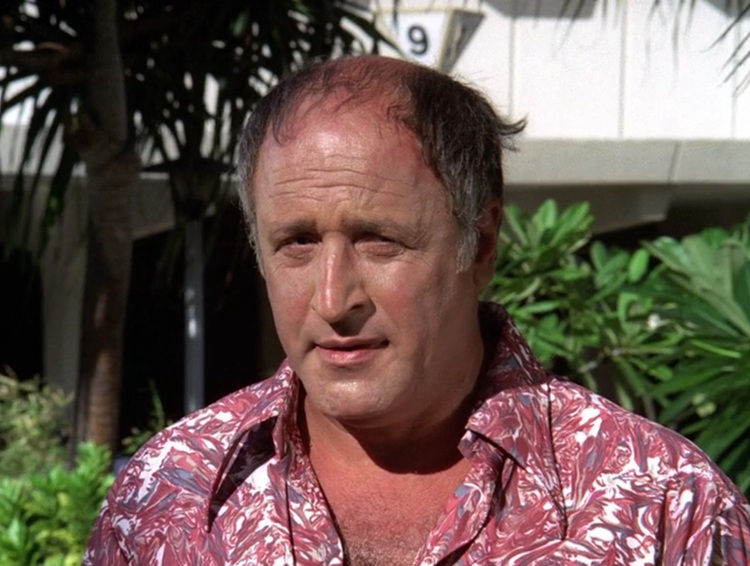
And what got me thinking about the depiction of sex work in cop shows, particularly pimps in the ’70s, was an episode of Hawaii Five-O that I just covered for an episode of Book ’em, Danno called “Tricks Are Not Treats”. The basic plot of the episode is a group of pimps (called “macks” in the episode for some reason because they’ve had no problem calling a pimp a “pimp” in previous episodes) led by Harley Dartson, played by Glynn Turman, are at odds with a loan shark named Lolo, played by Gregory Sierra, who is taxing their business.
The episode was shot and aired in 1973. Without watching it, I bet you know what the pimps look like, act like, and sound like. There is a certain image that’s been embedded into popular culture when it comes to pimps, particularly of the 1970s variety. These pimps fit that image.
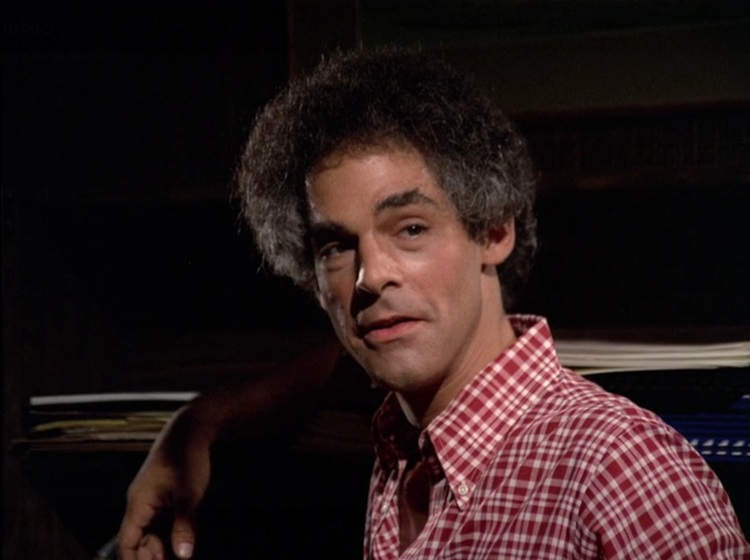
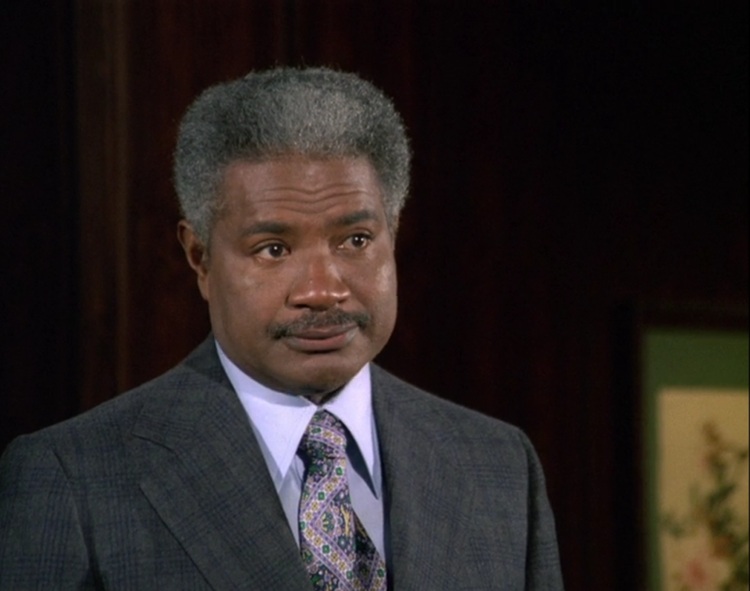
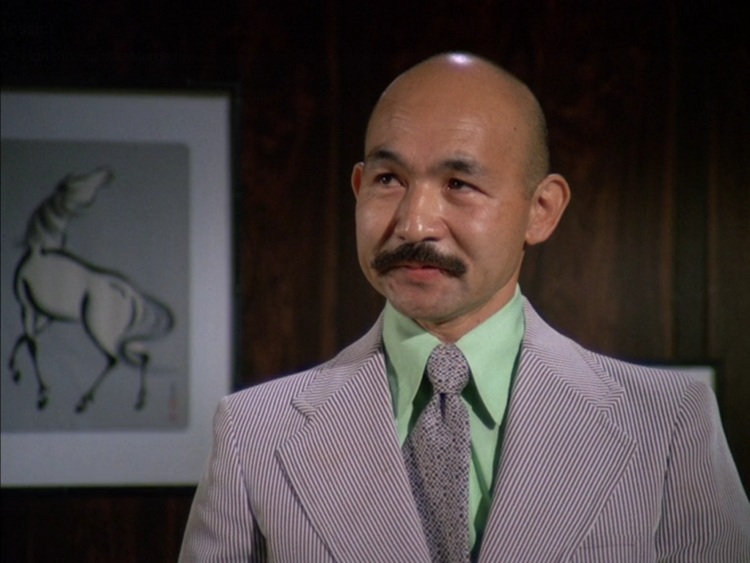
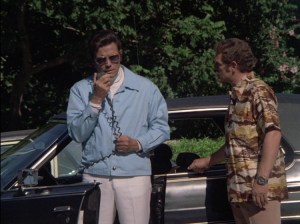
Most of the pimps in this co-op are Black, though there is at least one Native Hawaiian, one Asian, and one token white guy with a ‘fro. All of them are decked out in the classic pimp styles: slick suits, bright colors, fab shoes, and fetching hats. Oh, the hats! It may be stereotypical as hell, but they had style. These Honolulu pimps would have been able to blend into any city on the mainland. They had the look.
The characterization of the pimps of this time period in particular lends them to be very convenient bad guys on cop shows. Just get them in the right outfit and the audience doesn’t need much more than that. It was understood that pimps were bad because prostitution was against the law. Pimps exploited the women who worked for them and weren’t above using violence to get the women to turn their tricks. Frequently, it was these violent tendencies that had them crossing paths with our police heroes. And it was probably not an accident that it seems like a majority of pimps depicted on TV at this time were Black. It seemed like if it was a white pimp as a main villain -and this is just my impression as I have no scientific data or research to back this up because I’m lazy- that he was depicted more as a businessman. He had “escorts”. He had an office. He wore respectable suits. He might not be above committing violence, but at least he was “classier” when he did it.
In “Tricks Are Not Treats”, Harley Dartson is positioned as sort of a good guy in comparison to Lolo, an unlikely and uncommon position for a pimp at the time. The pimps in the episode are humanized beyond the stereotypes that they’re usually presented as. Their line of work isn’t excused and it’s mentioned that they are still willing to use violence against the women in their stables to keep them in line, but that isn’t the focus. It’s them against Lolo and the writers want you on their side. So, they make them likeable, relatable. J. Paul (Ron Glass), prior to his demise, comes across as a funny, friendly guy. Wunton (Moe Keale) is deeply affected by his friend’s death, to the point of losing his cool to defend J. Paul’s memory.
Harley, our main mack, is given a normal home life with a wife, who used to be on the streets as one of his girls, and two children. Sure, Semantha (Lynn Ellen Hollinger) is still very much involved in the administration aspect of the business, keeping track of the women in Harley’s stable and the jobs they’re doing (or should be doing, as she does threaten one woman over the phone to get to a hardware convention before Harley takes a coat hanger to her), but it’s treated as a normal Mom and Pop kind of business. Pimps are having a meeting out on the lanai and Semantha is tracking tricks while the kids eat lunch at the kitchen counter and Harley fusses at the older boy about doing his homework. It’s a rare depiction to get that much into a pimp’s personal life and have it be so suburban.
(It’s also worth mentioning that Harley and Semantha were an interracial couple with biracial children, something else not often seen on TV in 1973.)
There’s a pimp with a heart of gold in an episode of Barney Miller as well. In “The Hero”, Carl Gibson’s mack character Mayflower is arrested for pushing a trick out of a window and ends up helping the guys put a baby Todd Bridges back on the straight and narrow. Sure, he’s doing it in part to ease his own punishment, but a pimp on another cop show wouldn’t have done it at all.
The bad buy blueprints for cop shows are interesting in how they both contribute to stereotypes and then deviate from the stereotypes they helped create. The way pimps are used in these shows is a great example of that.
Imagine what I might discover if I actually applied myself and researched it.





 aka KikiWrites